2 min read
The Biggest Security Mistakes Multifamily Properties Are Making in 2026
SmartConnect L.A. : April 28, 2026
If you manage a multifamily property today, security probably feels harder than it used to.
It’s not just about locking doors and installing cameras anymore. Residents expect more. Owners expect more. And unfortunately, bad actors are getting more sophisticated too.
But here’s what we’re seeing across the board:
Most properties aren’t under-protected — they’re misconfigured, outdated, or overwhelmed by their own systems.
Let’s break down the biggest mistakes—and what’s actually working now.
1. Relying on Cameras Alone
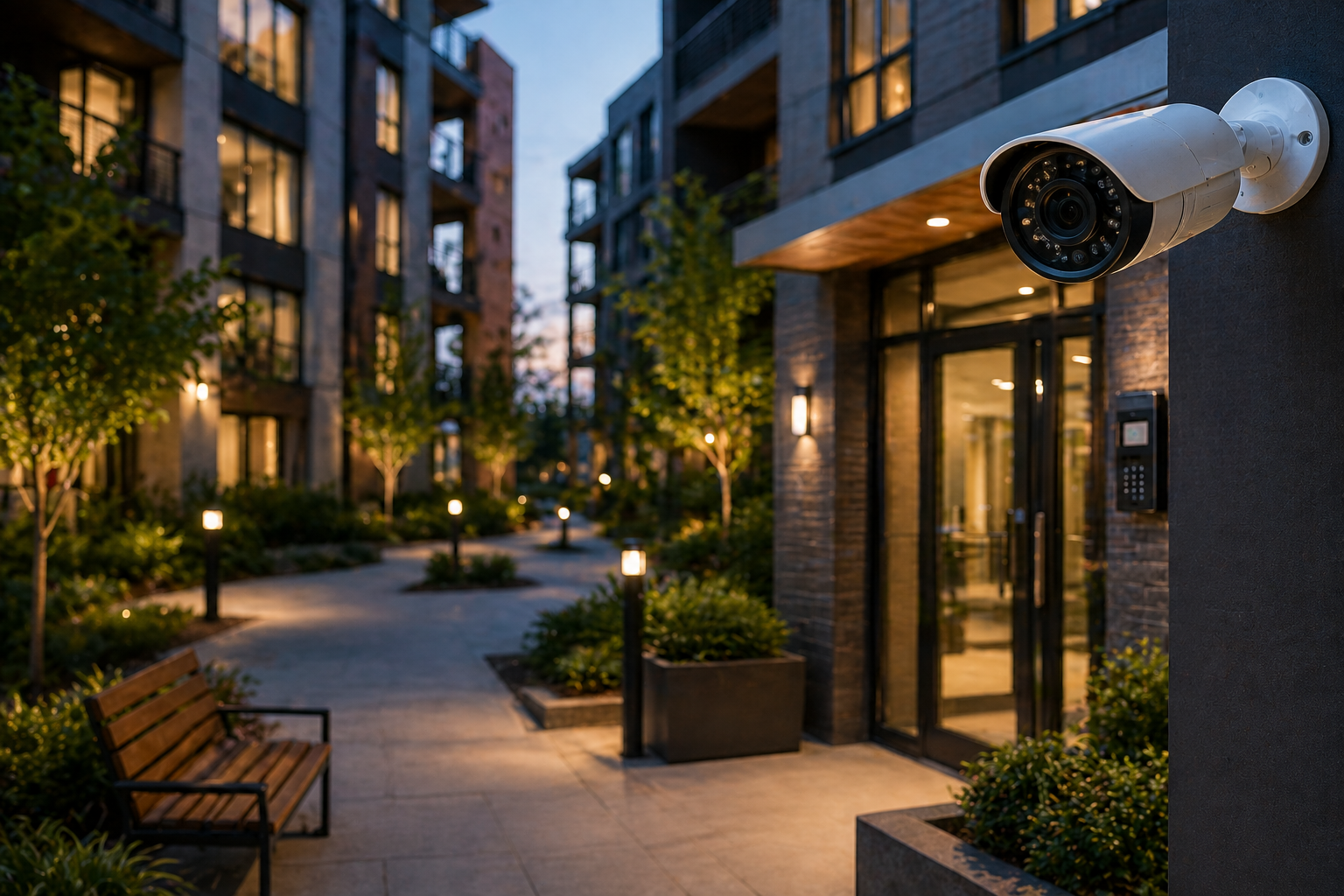
Cameras are everywhere. And yet, incidents still happen.
Why?
Because most systems are still reactive. They record what already happened—but don’t help prevent it.
Property teams don’t have time to sit and monitor footage all day. So unless someone reports an issue, the system isn’t doing much.
What’s working now:
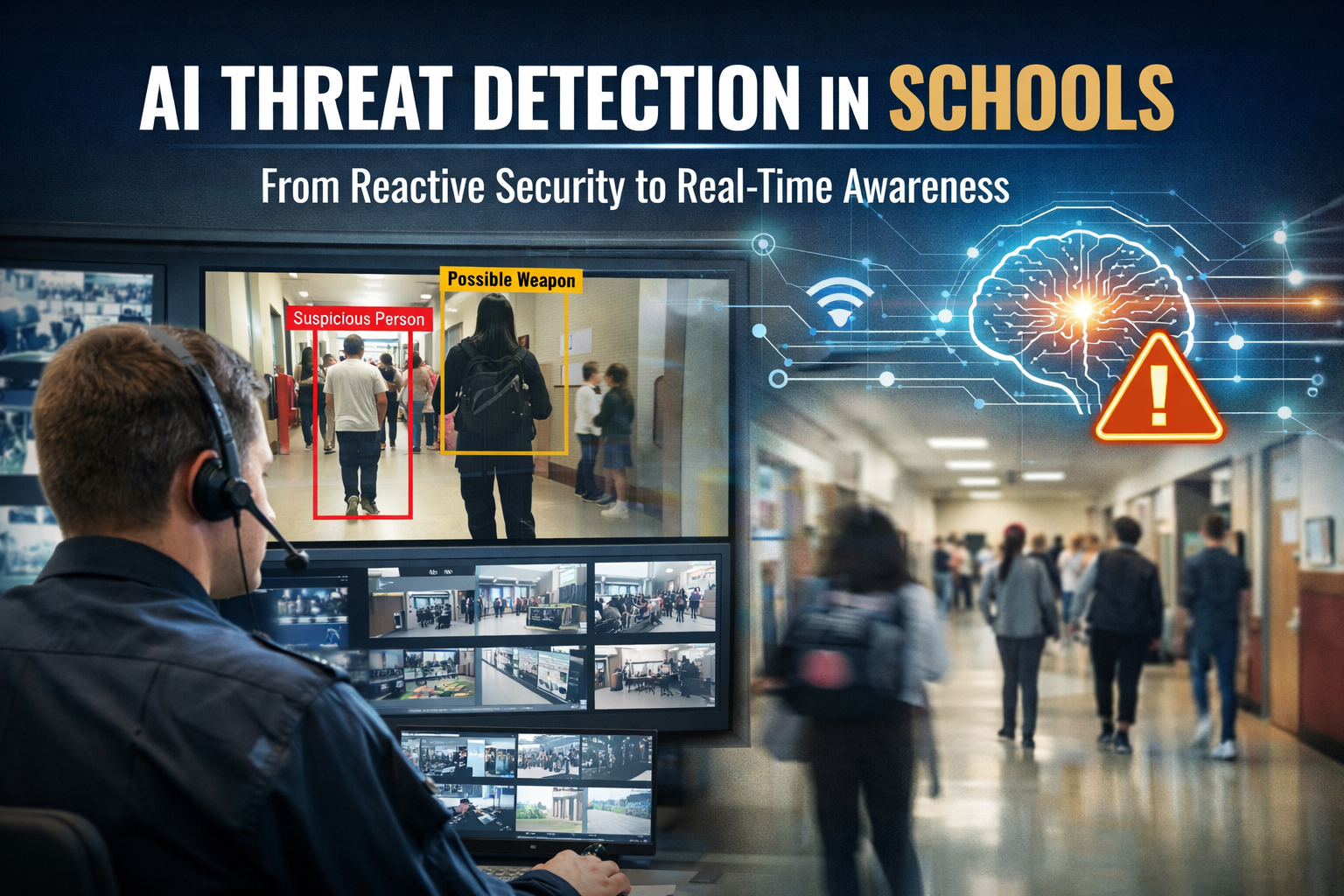
AI-powered detection that alerts staff to real events—not just motion. Think:
- Loitering in restricted areas
- After-hours access
- Unusual activity patterns
The shift is from “recording” → real-time awareness
2. Weak Access Control (and Too Many Workarounds)
This is a big one.
Shared fobs. Old credentials that were never removed. Doors propped open. Residents letting in strangers.
Even the best hardware fails if the system isn’t managed properly.
What’s working now:
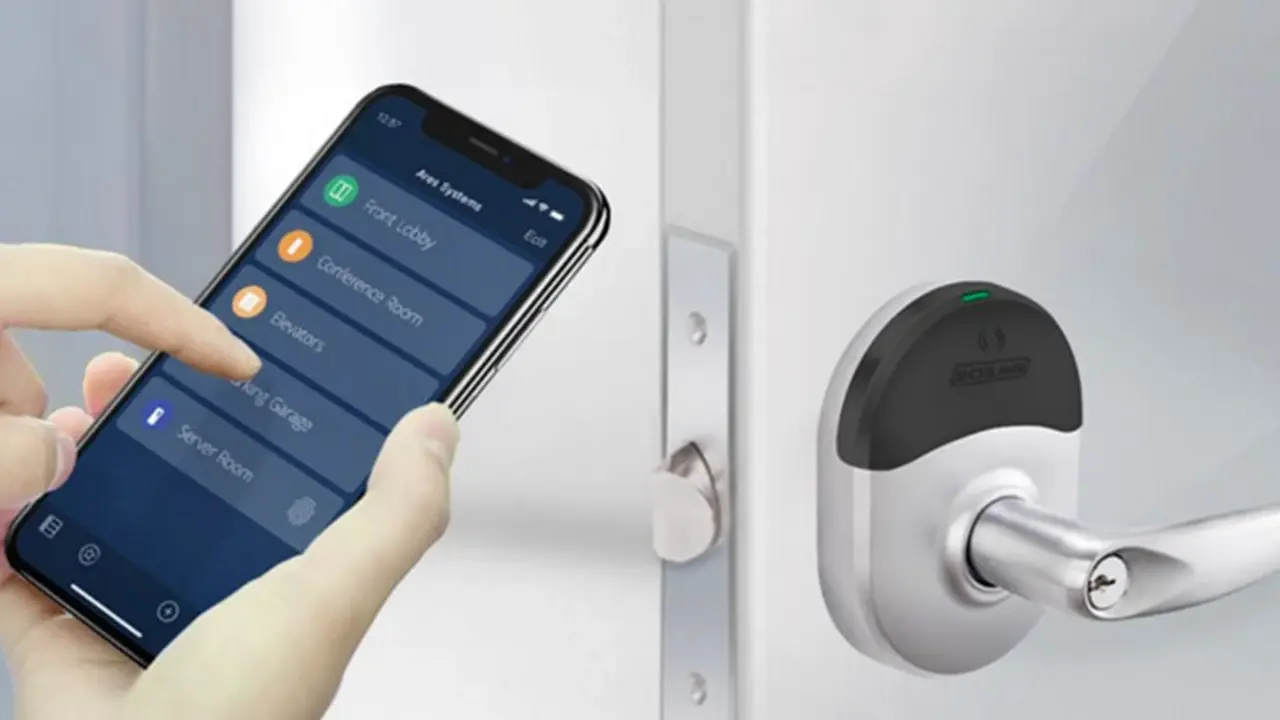
- Mobile credentials (less sharing than physical fobs)
- Audit trails that actually get reviewed
- Smart access tied to identity—not just a key
The goal isn’t just to lock doors—it’s to control who actually gets in
3. Systems That Don’t Talk to Each Other
A camera system. A gate system. An intercom. Access control.
All separate.
This creates delays, confusion, and missed context when something goes wrong.
What’s working now:
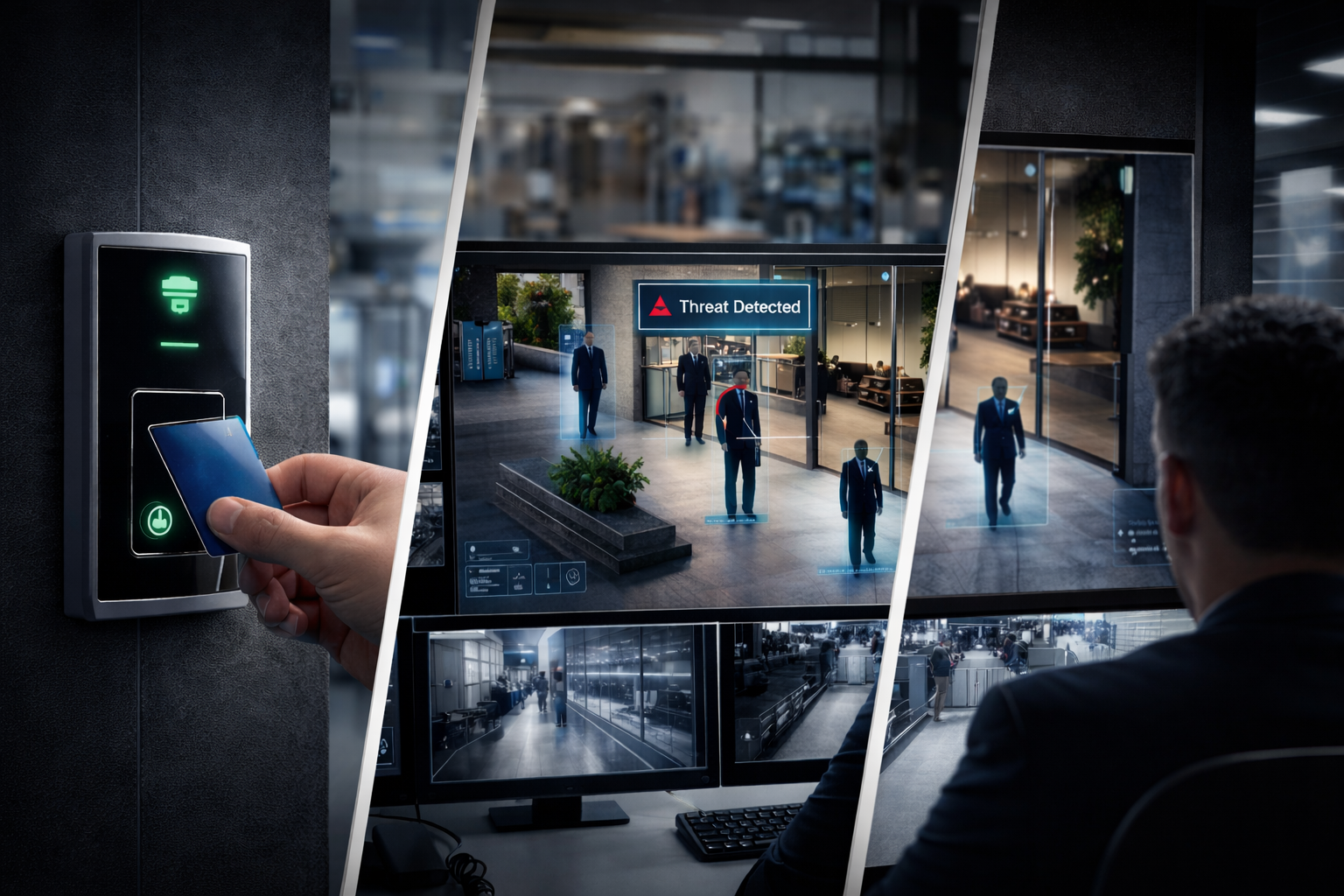
Integrated systems where:
- Access events trigger camera footage
- Staff can verify incidents quickly
- Everything is accessible in one place
Because during an incident, speed matters.
4. Too Many Alerts, Not Enough Clarity
Ironically, “smart” systems often create more noise.
Constant motion alerts. False alarms. Notifications that get ignored because there are just too many.
This leads to a dangerous outcome: alert fatigue.
What’s working now:
- Filtering alerts to only what matters
- AI that improves over time
- Systems designed around actionable information, not raw data
Less noise = faster response.
5. Treating Security as a One-Time Install
This might be the most common mistake.
Security isn’t “set it and forget it.” But many properties treat it that way.
Over time:
- Staff changes
- Residents change
- Threats change
- Systems fall out of sync
What’s working now:
Ongoing system management:
- Regular audits
- Credential reviews
- System updates
- Performance checks
Security is a process, not just a product.
What Property Managers Actually Need
At the end of the day, property managers don’t need more technology.
They need:
- Fewer daily headaches
- Faster response times
- Systems their team can actually use
- A better experience for residents
The best security systems today are the ones that reduce friction, not add to it.
Final Thought
The conversation around security is changing.
It’s no longer about “how many cameras do we need?”
It’s about:
“How do we make this property safer, easier to manage, and more predictable day-to-day?”
That’s a very different question—and it leads to much better outcomes.