The Practical Guide to Voice Assistants in Your Smart Home
A homeowner’s guide to understanding, installing, and optimizing voice control in smart homes.
3 min read
SmartConnect L.A. : Jan 6, 2026 4:13:02 PM
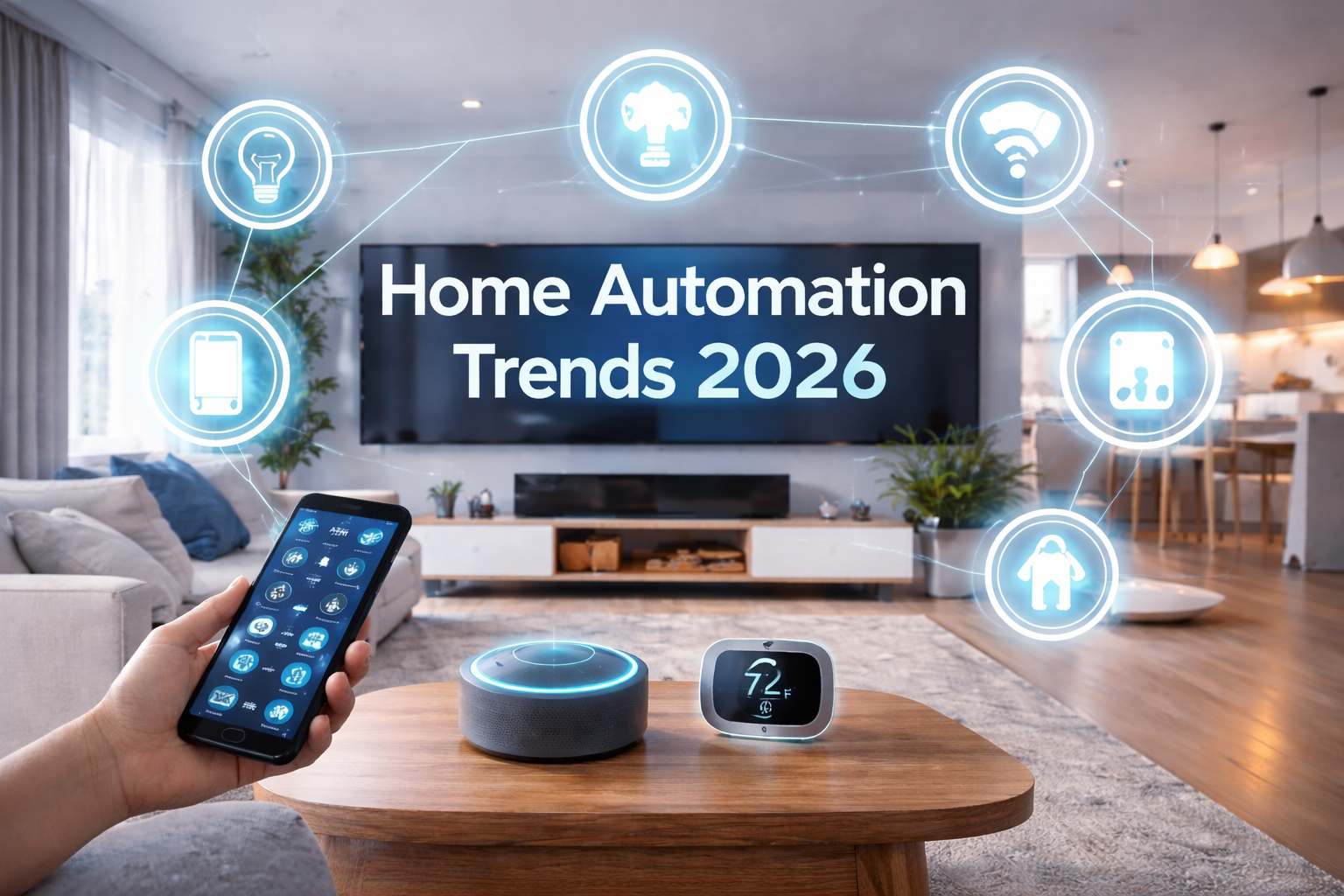
The smart home revolution isn’t coming — it’s already here. What once felt futuristic — voice-activated lights, automated security, energy-saving thermostats — has quickly become standard in modern homes. But as we step into 2026, home automation is evolving faster than ever, driven by breakthroughs in AI, connectivity, sustainability, and convenience. At SmartConnectLA, we’re excited to share the most compelling trends that are redefining what “smart living” means for homeowners this year and beyond.
Artificial Intelligence (AI) is the engine powering the next generation of smart home experiences. Gone are basic voice commands; today’s systems anticipate your needs. AI-driven routines can learn your schedule and adjust lighting, climate, and security settings automatically — without you lifting a finger. Research shows smart home AI systems are advancing toward predictive automation that optimizes energy use and enhances lifestyle comfort. Tech Times
At CES 2026, industry leaders highlighted AI integration across home environments — from smart mirrors that detect skin conditions and offer wellness suggestions to robots designed to handle chores. The Times of India
Smart devices are most powerful when they talk to each other with minimal friction. Standards like Matter and Thread are taking center stage, enabling devices from different manufacturers to interoperate effortlessly — whether you’re controlling lights with an Amazon Echo or a Google Home interface. Wikipedia
Devices from third-party brands are rapidly adopting these standards, increasing compatibility and reducing setup headaches for homeowners. This shift toward open, unified ecosystems means fewer quirks and more reliability. The Verge
Home automation and home security are merging deeper than ever. Today’s smart locks and surveillance systems are more than passive hardware — they’re intelligent protectors. New smart locks now support hybrid access methods like NFC, Matter compatibility, and even biometric authentication — all while integrating with your broader automation system. The Verge
Security cameras leverage advanced on-device AI to distinguish between pets, humans, vehicles, and false alarms; professionals and homeowners alike are betting on these systems to slash nuisance alerts and elevate safety. The Verge
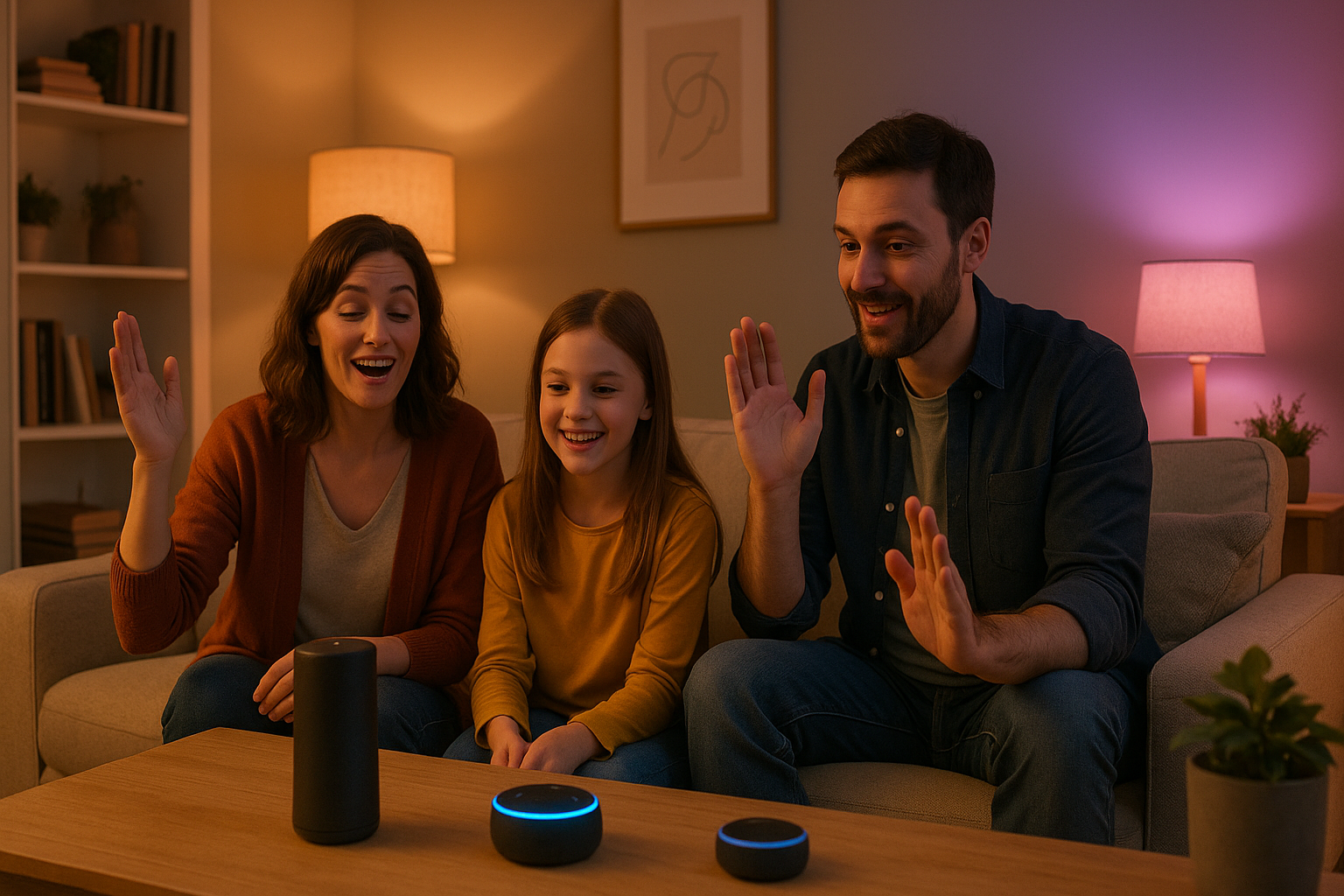
Smart speakers are no longer just audio devices; they’re the central hub of your home. The newest models — such as Amazon’s Alexa+ devices — feature advanced on-device processing for faster voice responses, contextual automation, and environmental sensing without relying solely on the cloud. Android Central
These improvements mean smarter, more proactive behavior from your assistant, such as adjusting lights when a room gets occupied or preparing your house for bedtime based on your routines.
Sustainability is one of the biggest trends in home automation. Smart thermostats, energy-aware lighting, appliance scheduling, and peak-usage alerts are helping homeowners cut costs and reduce environmental impact. AI can now predict energy demand and optimize systems before problems even occur. Tech Times
With energy prices and environmental awareness on the rise, smart homes are positioned to deliver real financial and ecological benefits — not just convenience.
Today’s smart home isn’t just lights and locks — entire appliances are joining the automated ecosystem. The latest connected refrigerators can suggest recipes based on what’s inside, dishwashers can choose energy-efficient cycles, and washers/dryers sync with your smartphone to notify completion or suggest settings. Lifewire
Ceiling fans, air purifiers, and even laundry care systems are gaining AI-enhanced features, bridging the gap between entertainment and everyday living needs.
Robotics made a big splash at CES 2026, underlining that automation can go well beyond voice commands. Robots like LG’s home assistants promise to reduce household labor — handling chores like folding laundry and basic kitchen tasks, albeit early in their adoption cycle. New York Post
While these aren’t yet mainstream purchases, they signal a future where truly hands-off home maintenance becomes a reality.
Not all smart home automation requires cutting-edge tech. Practical innovations are focused on real-life usability — devices that are easy to install, intuitive to control, and genuinely useful. From improved mobile control apps to simplified onboarding across ecosystems, the goal is to make smart homes accessible to everyone, not just tech enthusiasts. Lifewire
This shift toward usability is perhaps the most important trend of all — automation that fits into everyday life without headache is what will drive broad homeowner adoption.
Home automation in 2026 is evolving in leaps and bounds. We’re seeing smarter security, more sustainable energy solutions, deeper AI integration, and a more seamless interconnected home than ever before. Whether you’re a homeowner curious about your next upgrade or a tech lover watching this space closely, the trends emerging today pave the way for tomorrow’s effortless, intelligent living.
At SmartConnectLA, we’re passionate about helping you understand and implement the tools that make your home smarter, safer, and more responsive to your lifestyle. Stay tuned for more insights, and here’s to building homes that work for you.
A homeowner’s guide to understanding, installing, and optimizing voice control in smart homes.
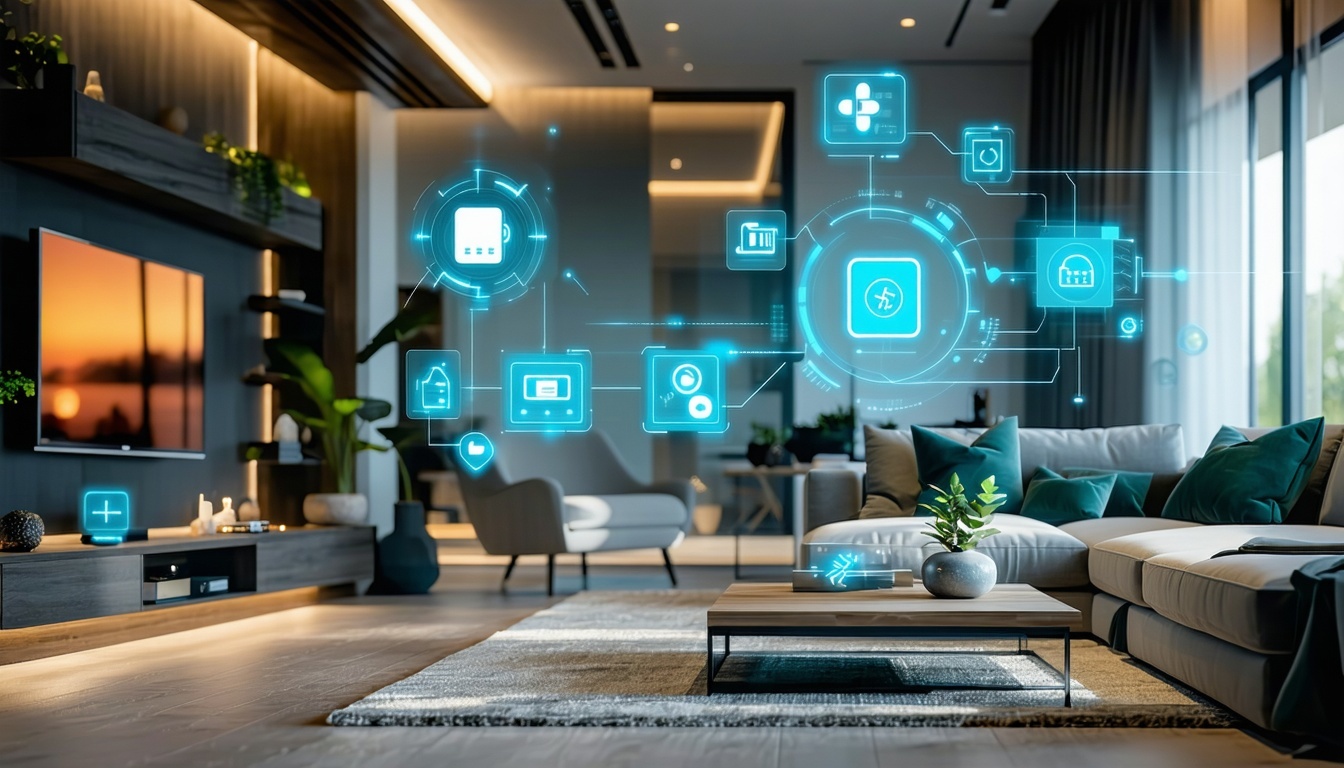
Unlock the full potential of your living space with smart home technology, transforming daily routines into seamless and enjoyable experiences.